
Software Modernization Services for Modern Digital Transformation
What is Software Modernization Services?
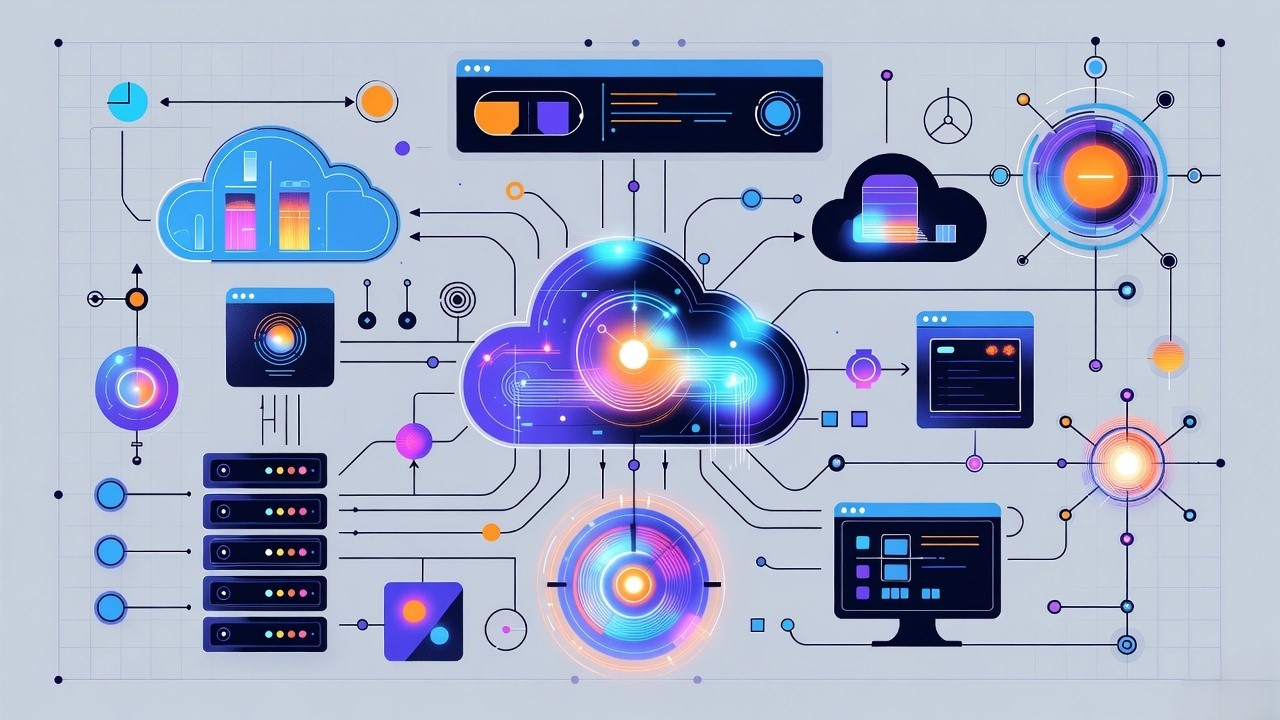
In 2026, software modernization services have shifted from simple "lift-and-shift" migrations to AI-first transformations. Organizations now prioritize re-architecting legacy systems to support generative AI (GenAI) integration, cloud-native scalability, and zero-trust security.
Top Software Modernization Service Providers (2026)
The following companies are recognized as leaders for their technical depth and proprietary AI accelerators:
- Accenture: Dominates large-scale enterprise transformations, specializing in converting decades-old COBOL mainframe systems into cloud-native architectures.
- IBM Consulting: The premier choice for organizations running IBM mainframes or AS/400 systems; they use the Strangler Fig Pattern for incremental, low-risk modernizations.
- Infosys: Leverages its Topaz AI-first platform to automate code analysis and speed up migration timelines by up to 40%.
- TCS (Tata Consultancy Services): Uses its MasterCraft™ automation suite to handle high-complexity re-engineering across diverse industries like banking and aerospace.
- Cognizant: Known for cost-effective global delivery and deep expertise in healthcare and financial sector compliance.
- HakunaMatataTech: Focuses on sustainable transformation, emphasizing serverless computing and auto-scaling to reduce long-term technical debt.
Core Modernization Strategies (The "7 R's")
Successful projects in 2026 typically employ one or more of these standard approaches:
- Rehost: Moving applications to the cloud with minimal changes (fastest, lowest upfront cost).
- Replatform: Making minor code adjustments to optimize for cloud features like managed databases.
- Refactor: Restructuring code to improve performance and maintainability without changing external behavior.
- Rearchitect: Redesigning the application into a microservices or modular architecture.
- Rebuild: Writing the application from scratch using modern frameworks (e.g., React, Go, or Rust).
- Replace: Scrapping the legacy system entirely for a modern SaaS or off-the-shelf solution.
- Retire: Decommissioning systems that no longer provide business value.
2026 Cost and ROI Estimates
Modernization costs vary significantly based on complexity and the chosen strategy:
- Small Apps: $5,000 – $20,000.
- Mid-Size Business Systems: $20,000 – $45,000.
- Large Enterprise Estates: $300,000 to over $1,000,000 for full-scale re-architecting.
- Estimated ROI: Most firms report a 2x–3.2x payback within 12–18 months through a 50% reduction in maintenance costs and significantly faster feature release cycles.
Key Trends for 2026
- GenAI-Assisted Coding: Using AI agents to read, document, and convert legacy code (e.g., PHP to Python) automatically.
- Platform Engineering: Building "Internal Developer Platforms" to standardize environments and reduce engineer burnout.
- Zero-Trust Security: Embedding identity and encryption at the core of the new architecture rather than as a perimeter layer.
- FinOps & GreenOps: Integrating real-time cloud cost monitoring and carbon footprint tracking into the modernization roadmap.
The Tangible Cost Savings: Where the Money Comes From
The most immediate and easily calculated components of ROI come from slashing ongoing expenses.
Drastically Reduced Infrastructure Costs
Legacy systems often run on expensive, underutilized on-premise servers. Migrating to a modern cloud environment like AWS, Google Cloud, or Microsoft Azure converts fixed capital expenditure into variable operational expenditure.
- A U.S. retail client was spending over $250,000 annually on hardware maintenance and data center space for a single monolithic application. By refactoring this application into a serverless architecture on AWS, their annual infrastructure bill dropped to under $80,000, a 68% reduction.
- Cloud environments allow for auto-scaling, meaning you only pay for the compute power you use. You're not paying for idle servers 24/7, a common drain with on-premise setups.
The End of Exorbitant Legacy Support
This is a massive, often hidden cost. Maintaining old technology stacks is expensive and risky.
- Licensing Fees: Proprietary legacy software licenses can cost tens of thousands of dollars per year.
- Specialist Support: Finding and retaining talent for technologies like PowerBuilder, VB6, or old versions of .NET is incredibly difficult and costly. A contractor supporting a COBOL system can command over $200/hour. Modernizing to a common stack like Java Spring Boot or .NET Core instantly opens up a vast, affordable talent pool.
- Compliance & Security: Older systems are often incompatible with modern security protocols like OAuth 2.0 or OpenID Connect, making them vulnerable. The cost of a single data breach, which averages $4.45 million according to an IBM report, can dwarf the entire budget of a modernization project.
Quantifiable Gains in Developer Productivity
Legacy systems are notoriously difficult and slow to work with. A simple change that should take an hour can take a week due to tangled code and fragile environments.
- A study by Stripe found that legacy technical debt consumes, on average, 33% of a developer's time, time that could be spent building new features that drive revenue.
- After modernizing a client's deployment pipeline with CI/CD tools like Jenkins or GitHub Actions, we've seen the time-to-market for new features drop from weeks to hours. Developer morale also skyrockets, reducing attrition. Hiring for modern, exciting tech stacks is significantly easier and cheaper than for legacy ones.
The Revenue & Growth Engine: How Modernization Drives Top-Line Growth
While cost savings are compelling, the most significant benefits of legacy system modernization often lie in their ability to generate new revenue.
Unlocking New Capabilities and Customer Experiences
A modern, API-driven, cloud-native application can do things a legacy system simply cannot.
- Personalization: Integrate with AI/ML services to offer real-time product recommendations.
- Omnichannel Experiences: Deliver a seamless customer journey across web, mobile, and in-store by having a flexible backend that can support multiple front-ends.
- Partnerships & Ecosystems: Expose your core services via APIs to create new revenue streams by partnering with other businesses. For example, a logistics company can offer its tracking and rate calculation services directly to e-commerce platforms.
Achieving Unmatched Scalability and Performance
U.S. businesses face seasonal spikes and unpredictable growth. Legacy systems buckle under pressure, leading to downtime and lost sales.
- A ticket-selling platform we modernized on Google Cloud could now automatically scale to handle a 10x traffic surge during major on-sale events, with zero downtime. This directly prevented an estimated $500,000 in lost sales per major event.
- Improved application performance directly impacts conversion rates. Amazon found that every 100ms of latency cost them 1% in sales. Modern applications are simply faster and more reliable.
Future-Proofing Through Cloud-Native Agility
A modernized application is built to evolve. With a microservices architecture, individual components can be updated, scaled, or replaced without bringing down the entire system. This agility is a competitive weapon, allowing U.S. companies to outmaneuver slower, legacy-bound competitors.
Calculating Your Specific ROI for Software Modernization: A Practical Framework
You don't have to go in blind. We help our clients build a business case using a simple but powerful formula.
The ROI of application modernization is calculated as:
(Gains from Investment - Cost of Investment) / Cost of Investment
But let's break down what goes into those gains:
A Real-World Calculation:
Imagine a company spending $1,000,000 annually on legacy system costs (infrastructure, support, lost productivity). A modernization project with HakunaMatataTech costs $750,000.
- Year 1 Post-Modernization: Ongoing costs reduce to $400,000. That's an annual saving of $600,000.
- Year 1 ROI: ($600,000 - $750,000) / $750,000 = -20% (Initial investment year).
- Year 2 ROI: ($600,000 - $0) / $750,000 = 80% ROI. The project pays for itself and generates significant positive returns from this point forward.
This doesn't even include new revenue, which would accelerate the payoff dramatically.
HakunaMatataTech's Approach: Why We Deliver Superior ROI
Many consultancies can write code. We believe our value lies in our methodology, which is designed to maximize return and minimize risk for our U.S. clients.
- Business-First Discovery: We start by understanding your revenue drivers and pain points. The technology decision comes last.
- The Incremental Value Engine: We structure projects into 6-8 week sprints, each delivering a working, valuable piece of the modernized system. This creates a continuous stream of ROI instead of a single "big bang" at the end.
- Architecture as a Strategic Asset: Our architects don't just design for today; they build platforms that enable future innovation, ensuring your investment continues to pay dividends for years.
- Transparent Partnership: You have full visibility into our process, code, and costs. We use your team's knowledge and integrate with your processes, creating a true partnership.
